


If your child avoids reading, mixes up words, melts down over homework, or keeps saying, “I’m not smart,” you may be wondering whether there’s something deeper happening. What if these challenges aren’t a phase, or a motivation issue, but dyslexia symptoms that have slipped under the radar?

Whether you’re a parent observing your child; a teenager searching through reddit; an adult looking to understand how you process information, this post will highlight some of the most common dyslexia symptoms. The dyslexia symptoms are divided into different ages because you don’t outgrow dyslexia.
We’re going to discuss four age groups:
I’ll keep it simple and parent-friendly. Sure, I could drop technical terms related to dyslexia symptoms to sound impressive but that’s probably not going to be useful. Instead, let’s keep it down to earth and conversational.
The IDA is in the process of changing the definition of dyslexia to make it more inclusive. I shared that information in a previous post. Basically, dyslexia is an unexpected inability to read despite proper instruction. It’s not what I call “dysteachia” in which a child is never taught how to read. Emily Hanford covered that situation in the podcast “Sold a Story” and you can click to learn more about her investigative reporting that explains why a lot of children who are NOT dyslexic can’t read.
Before we talk about dyslexic symptoms, let’s discuss some dyslexia myths that surface all the time.
MYTH 1: Dyslexia is just seeing letters backwards. Reversals are common with early readers. However, once reading becomes automatic, the reversals go away because the brain has learned that letters cannot be flipped.
MYTH 2: Kids will outgrow it. “Dyslexia is a brain-based condition and doesn’t go away with age. With structured literacy like Orton-Gillingham, dyslexics will master reading but they don’t outgrow dyslexia.
MYTH 3: You’re lazy or not trying hard enough Most dyslexics are working 10 times harder than other students. Dyslexia is not about IQ. My daughter says it best: I’m dyslexic not stupid. She shared her thoughts in a video that you can watch.
MYTH 4: Just read more until it clicks. The wrong type of practice reinforces bad habits. Dyslexics need explicit instruction in a way that builds upon previous learning. Multisensory helps the information move into long term memory. It may take 200 repetitions before a concept moves to long term memory but it will happen.
MYTH 5: It’s mostly a boy thing. Too often girls fly under the radar because they compensate with memorization and good behavior. A teacher may not notice the dyslexia symptoms if a child isn’t acting out and being disruptive in the classroom. Trust me Dyslexia is an Equal Opportunity condition.
This is the age of “pre-reading skills.” Children at this age are developing pieces of the puzzle that will help them turn their brains into reading machines. They are learning about books, the way to hold them, what text represents, why there are pictures and so forth. At this age, children are listening to nursery rhymes, and playing rhyming games. Things that will help children become readers.
Believe it or not, there are signs at this age that suggest a child is at risk for dyslexia. This is a critical point to understand. “At risk” does not mean “you have.” Some people are against early screening fearing that it will label a child and lead to an over diagnosis of dyslexia. My response is that early screening lets a parent know that a child is struggling with things that other children are not. Early screening can make an adult aware that they need to work closely with the child to strengthen these weak skills. Is this really necessary? Yes because it may only take 15 minutes a day to strengthen these skills when they are 4 or 5, but when they are 10, it’s going to take 90 minutes a day to address the issues. You decide: 15 minutes now vs 1.5 hours every day in a few years.
Some of the common symptoms include:
Late or messy talking Children might mix up sounds in words long past the age of 5. Does a child say “bisghetti” instead of spaghetti, “aminal” for animal? What’s cute at 2 may be a problem at 5.
Trouble rhyming You sing “The ltsy Bitsy Spider,” and you say, “What rhymes with cat?” Blank stare. Or they guess “dog.” Rhyming is like the warm-up lap for reading. Dyslexic children have a weakness in the ability to manipulate sounds which is why rhyming can be so difficult. Is Dr. Seus their least favorite bedtime book? Start to pay attention to a child’s ability to rhyme.
Can’t remember letter names-even after a million flashcards. They know “B” today, forget it tomorrow. Or they confuse b, d, p, q because those letters are mirror twins and if you change the direction it makes a difference.
Hates naming things quickly. You point to pictures-dog, cat, ball-and they pause… pause… “Uh… puppy?” Rapid naming is a sneaky early flag. How fast can their brain retrieve a word? Count to three and check that they are remembering a word fast enough.
A child at this age is now in school. They are learning to read up to grade 2 or reading to learn in grades 3 and beyond. Ideally, at the lower grades, they are being taught how to read through explicit instruction. This means teaching the sounds that letters make, instead of handing a child a book and hoping they develop a love for reading. This is also the time the cracks start to become apparent and when most parents start reaching out. So what are the dyslexia symptoms that you need to be aware of at this age range:
One symptom in isolation probably isn’t of concern. Unfortunately, too often the school says, “They’re just a late bloomer.” Trust your gut. You are not being difficult when you insist the situation isn’t normal and you are going to request an evaluation.
This age segment is tricky. These are students who fly under the radar. They’ve developed work-arounds so you might not even realize that they are struggling. I speak from experience! My daughter wasn’t diagnosed until high school. She took pride in “hiding” her struggles. So what do you need to look for?
These students are often labeled as lazy! Dyslexic teens are often the hardest workers in the room – they’re just fighting with one hand tied behind their back. Pay attention to how long things take. Use a stopwatch to time activities and keep a list of how long things take.
Technically, anyone over the age of 18 falls into this category but adults at any age can show dyslexia symptoms if you know what to look for.
Avoids reading for fun Audiobooks, podcasts, subtitles on everything. If a menu has more than ten items, they panic.
Relies disproportionately on spellcheck and voice-to-text Emails are short. Forms are torture. They rehearse what they’ll say before filling out a job application.
Trouble with directions or sequences Directional indicators are still a problem. “Turn left” (not that left, the other left). Assembling a piece of furniture, they immediately skip to the pictures. Forget reading the instructions.
Strong listener, weak note-taker Meetings are fine until they have to read their own handwritten notes, if any were taken.
Imposter syndrome These individuals are often entrepreneurs. They’ve built empires on charm, and big-picture thinking. They leverage their strengths and find others who can supplement their weaknesses. “I gotten this far despite being a slow reader.”
If you notice them: Trust your gut. Talk to the school or a doctor. Find an OG tutor to teach your child how to leverage their strengths. If this post resonates with you, please share it with another parent.
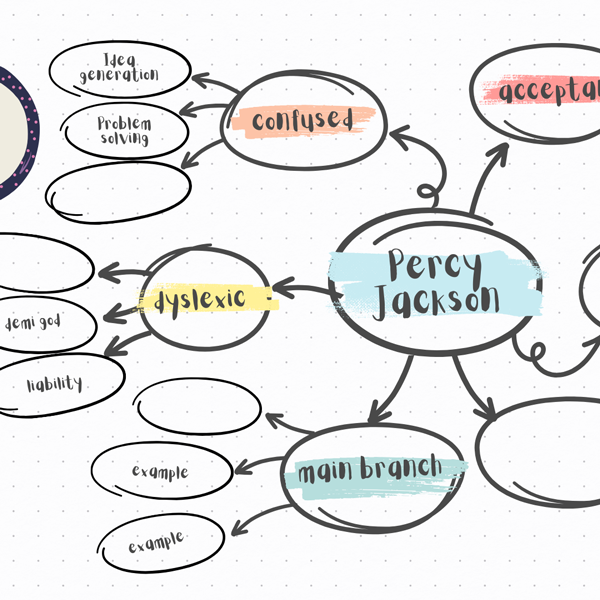
Let’s start with the premise that writing an essay can feel frustrating. You’re staring at a blank page, or your mind is a tangled jumble of ideas. For many students, especially those with learning differences like dyslexia and dysgraphia, getting those thoughts onto paper in a coherent structure can be

Dyslexia and the symptoms of dyslexia are often misunderstood, but as this insightful conversation from The Literacy Keys Podcast (Episode 18) highlights, it can be a powerful source of resilience, understanding, and exceptional resourcefulness. By leveraging strengths, individuals with dyslexia can navigate the world with unique skills that set them

We value common sense. There are cookies on our site and you consent to the usage.
Manage your preferences:
Essential cookies enable basic functions and are necessary for the website.
Statistics cookies collect information anonymously to understand our website.
SourceBuster is used by WooCommerce for order attribution based on user source.
For exciting reading check out our cookie and privacy policy.