


Explaining dyslexia to your child shouldn’t feel like delivering a medical sentence; it’s about giving them the key to why they’ve been working twice as hard for half the results. Without a name for their struggle, children often fill in the blanks with their own words.

Before diving into explaining dyslexia, it’s important to name the elephant in the room. As parents, we have some pretty strong emotions around the word and the diagnosis. We want the best for our children and this diagnosis can bring up quite a few things in ourselves. If we are trying to be the pillar of strength for our children, that can only happen when we are honest with ourselves. So let’s start with the emotions.
This is a big one. It’s that tight feeling in your chest; the worry that by even saying the word Dyslexia, you’re putting a cap on your child’s future. You’re afraid they’ll feel different in a bad way.
I’ll be honest and share that this was my Achilles’ heel. Guilt can have two components. First, there’s the guilt of the missed years, the times you got frustrated over a spelling list or told your child to just try harder. All this occurred before you knew what was really happening. Second, there is a genetic component (it runs in families.) You might have some guilt that you caused it, or gave it to them. Knowing the signs of dyslexia now, I’m pretty confident that my mother was mildly dyslexic and my grandfather (her father) was also dyslexic.
By the time most parents are at the point of explaining dyslexia, they are already fried. You’ve been through the failure factory of the school system, the late-night tears, and the endless Googling to learn more. The notion of having a deep, meaningful conversation can feel like one more to-do on a list that’s already a mile long.
Now that we’ve identified possible emotions, let’s get into some specifics about explaining dyslexia to a child. We need to start with their age to ensure that your child can process what you are saying. As adults, we often provide WAY TOO MUCH information that they don’t need.
When they’re under nine, children are start to notice that reading feels like climbing a mountain. They don’t need a lecture on phonological processing (if you are even up to explaining what that is). They need to know they aren’t “bad” at school.
Use a Metaphor. Think of the brain like a computer. Most kids use a PC operating system for reading. Your child? They’ve got a Mac or maybe a high-powered gaming system. Both are amazing, but the school’s software (the way they teach reading) was only built for the PC. You will get them the right operating system to run a reading program.
You know how you’ve been working so hard on those letter sounds, and sometimes they feel a bit tricky? Well, I found out why! Your brain is actually unique. It’s like a sports car that’s built for speed and big ideas. Sometimes it has a hard time with the bumpy road of reading. We found a name for it: It’s called Dyslexia. It just means your brain learns differently, and I’m going to help you find the right tools to make that road much smoother.”
By talking about dyslexia early, you’re giving them a name for their struggle that isn’t stupid or lazy. You’re moving from “I can’t do this” to “I can do this differently.
Upper elementary and middle school is when the social pressure kicks in. This is the age where kids start to wonder why they have to go to a special tutor while their friends are at soccer practice?
Think of this as the Why Me phase. Emphasize the Gift and the Grit. Tweens are old enough when explaining dyslexia to understand that it isn’t just about reading, it’s a processing style. Many dyslexics are incredible 3D thinkers, artists, or problem solvers. But it’s important to be honest and share that they are going to have to work harder than their peers in certain areas.
I know it feels completely unfair that you’re doing extra Orton Gillingham sessions while your friends are playing Minecraft. I get it, and I’m sorry it’s a heavy lift. Right now your brain has to work harder to decode words. You’re building a grit muscle that other kids aren’t. While they’re skating by, you’re becoming a master at solving hard problems. We need to keep training that reading muscle so it can keep up with your big ideas.
What else can you do? Google people in a specific field (or industry) that means something to your child. Watch a video together about that person. You are providing role models that they can be successful.
By high school, when explaining dyslexia, the conversation shifts from what dyslexia is to how to manage it in the real world. This is where you talk about accommodations and legal rights. If they are going to succeed in college or a career, they need to be the experts on their own brains and able to advocate for themselves.
You need to move from Parent-Led to Teen-Led at this stage, you aren’t just their mom or dad; you’re their consultant. You want them to understand their IEP or 504 plan as if it’s a professional contract. This can be frustrating as your child may not want to appear different.
“Look, high school is a marathon, and you’re running it with a weighted vest called dyslexia. Accommodations such as extra time on tests or using speech-to-text aren’t cheating, they’re letting you run the same race as everyone else. We need to make sure you know how to talk about dyslexia in order to own your success.”
Teenagers might be resistant. They might want to hide it. Be patient. Remind them that dyslexia is a lifelong trait, but it doesn’t define their ceiling, only their path to get there. As I’ve said in other episodes, if the front door is closed, they might have to walk around to the back door.
These scripts are just a starting point. There are going to be some questions that are triggering for you, or that you don’t have an answer to. Here is a link to the International Dyslexia Association. This week, pick one thing to do.
If you haven’t named it yet, just say the word. Try saying: “I’ve been learning about something called dyslexia, and it sounds exactly like how your brain works.”
Identify one thing your child is objectively better at than you are. Is it spatial awareness? Empathy? Creative storytelling? Point it out and link it to their strengths.
Use the words us and we. We are going to find the right tutor. We are going to figure this out together. It’s a journey and you are part of a team.
Remember your child’s path might look a little different, but that doesn’t mean it won’t lead somewhere incredible. If this episode helped you, or resonated in any way, please share it.

Understand the pros and cons of grade retention so you can stop second-guessing yourself and make the right decision for your family. We’ll discuss research regarding grade retention, and why your child might not need more time. They may need a different way of learning. Pros and Cons of Grade
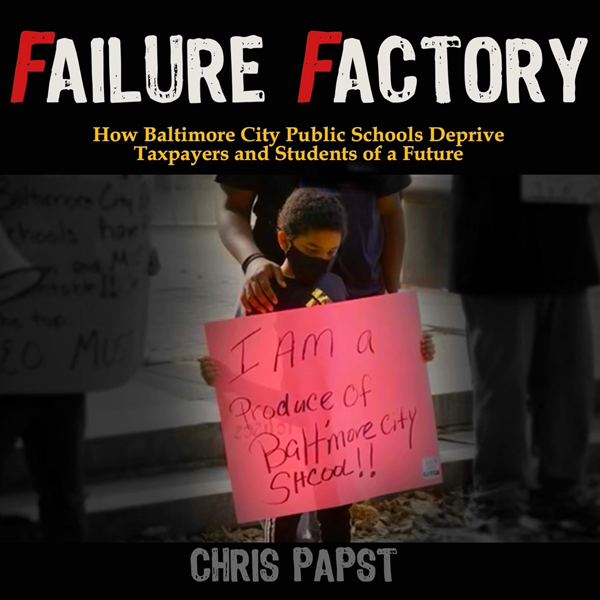
Recently, I had the opportunity to sit down with Chris Papst, an award-winning investigative reporter and the author of the book The Failure Factory. Chris has spent nearly a decade on the ground in Maryland, uncovering the institutional gaps that leave our kids behind. We had a long, honest conversation

We value common sense. There are cookies on our site and you consent to the usage.
Manage your preferences:
Essential cookies enable basic functions and are necessary for the website.
Statistics cookies collect information anonymously to understand our website.
SourceBuster is used by WooCommerce for order attribution based on user source.
For exciting reading check out our cookie and privacy policy.