


Understand the pros and cons of grade retention so you can stop second-guessing yourself and make the right decision for your family. We’ll discuss research regarding grade retention, and why your child might not need more time. They may need a different way of learning.

Grade retention is a timely topic given that it’s the end of the school year. I’m seeing many parents post about grade retention because you’re confused. Grade retention is a fancy term for holding a child back and making them repeat a grade.
So many of you are exhausted, worried, and wondering whether grade retention (repeating the grade) is the loving thing to do, or if it might actually make things harder.
In the past decade many states have passed laws that take the decision of grade retention out of the hands of the school. There are standards that need to be mastered before a child can progress to the next grade. This happens primarily in the 3rd grade.
So let’s start with the basics. Grade retention simply means a child stays in the same grade for an extra year instead of moving up with their peers. If they are in the 3rd grade then they do not progress to the 4th grade; they repeat the 3rd grade. Sometimes it’s the school’s recommendation. Sometimes it’s a parent’s choice. And in some states, it’s mandatory. If a child doesn’t achieve certain reading benchmarks by third grade they cannot move to the next grade.
On the surface, it can feel compassionate. We are just give them more time to catch up with their peers. But as someone who’s spent years using structured literacy to help kids crack the reading code, more of the same usually doesn’t work.
Some parents and educators point out that an extra year can give a child time to mature emotionally or socially. If your child is one of the youngest kids in the class maybe they’re also struggling with focus or organization. Teachers move at a specific pace and expect the kids to keep up. Sometimes a younger child doesn’t have the maturity to keep pace. That extra year might allow the child to be on par developmentally with the other kids in the class.
There’s also the argument that repeating material they’ve already seen once can boost short-term confidence and test scores. In fact, a few well-known studies (like the ones following Florida’s retention policy) showed that some retained kids scored higher on reading tests in the year or two after being held back. The idea is that the extra practice, plus the threat of retention itself, lights a fire under schools and families to pour in extra support. In those cases, the child isn’t just repeating the same failing instruction; they’re getting more targeted help. This is a REALLY important point.
Older parents think back to when they were in school. Every year there were a few kids who didn’t move on to the next grade. That no longer happens in most schools, and older parents don’t understand what changed.
There can be an emotional toll. Being the kid who watches their friends move on to the next grade isn’t great. Kids feel different. They feel behind. Studies show retained children can experience lower self-esteem, more anxiety, and a sense that they’re just not smart enough.
Another issue relates to retained students being more likely to drop out of high school. In my mind this is a secondary reason because if the underlying issues of being able to read were addressed the drop-out rate would probably decline.
For kids who struggle with reading because of dyslexia or other language-based differences the research shows that grade retention really misses the mark.
Dyslexia isn’t about being behind or not mature enough. It’s a different brain wiring that makes it hard to connect sounds to letters, decode words efficiently, or remember spelling patterns (even when a child is smart). An extra year in the same classroom with the same literacy approach isn’t going to help. These kids need an explicit, systematic, instructional approach. Hint: the Orton-Gillingham approach I’m trained in.
Repeating a grade without changing how we teach reading is like making a kid run laps on a sprained ankle hoping it will heal. Here’s an analogy, that’s like asking someone with poor eyesight to just try harder to see the blackboard. They need glasses!
The brain needs the right instruction: small steps, lots of review, seeing-hearing-touching, feeling the language patterns, and building from simple to complex.
Any academic improvement will fade if the underlying reason for the struggle isn’t fixed. If the child is doing the same curriculum with the same teaching methods that didn’t work the first time the results are probably going to be the same.
Instead of waiting another year, there are several steps you can take right now.
Step 1: Ask the right questions at school. Schedule a calm conversation with the teacher or IEP team. Instead of starting with “Should we retain?” inquire about specific, evidence-based reading intervention. What is provided? How often will your child receive this instruction? Is it explicit? How will progress be measured? These questions ensure your child will not be getting another year of the same approach that didn’t work last time.
Step 2: Get a comprehensive evaluation. If your child hasn’t had a full dyslexia evaluation yet, push for one. In many states, public schools must evaluate for specific learning disabilities once you request it in writing. A good evaluation will show exactly where the breakdown is happening. Is it related to phonological awareness? Rapid naming? Working memory? You might need to go the private route. Remember schools do not provide comprehensive evaluations; they assess for whether a child qualifies for an IEP. Those are very different questions. I talked about this in a different post. Click here for the link.
Step 3: Start at home with an Orton-Gillingham-based curriculum. There are programs that you can purchase that are designed just for parents. Use the summer to create an intensive remediation effort. This might be just what your child needs to have it all come together. If you don’t have the time, contact The Literacy Keys about intensive tutoring in reading for your child.
Step 4: Advocate for the right support at school. If your child qualifies for an IEP or 504, request SMART goals that include explicit, systematic phonics instruction delivered by someone trained in structured literacy. If the school can’t provide it, virtual tutoring (yes, the kind I offer through The Literacy Keys) can fill the gap beautifully.
Step 5: Protect the emotional side. No matter what is decided your child needs to hear that they are not broken. With the right tools they will get there. Celebrate every small win as they build the confidence that no retention policy can manufacture.
Your child is lucky to have a parent who cares enough to dig into the hard stuff. Schedule a 15-minute free consultation to discuss your needs.
Click Here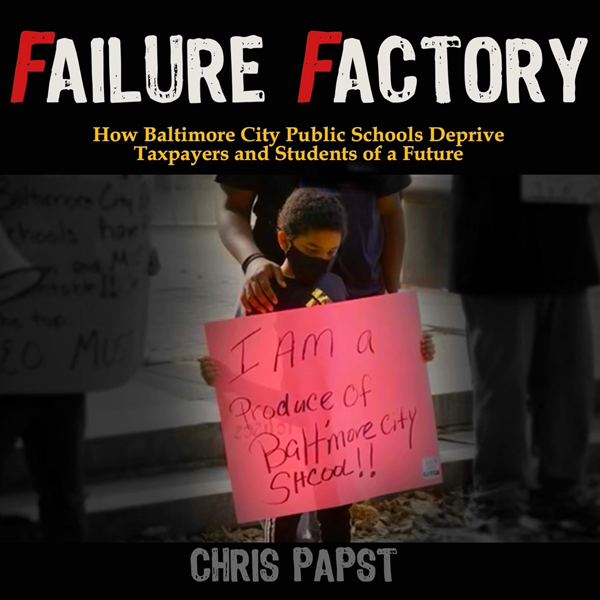
Recently, I had the opportunity to sit down with Chris Papst, an award-winning investigative reporter and the author of the book The Failure Factory. Chris has spent nearly a decade on the ground in Maryland, uncovering the institutional gaps that leave our kids behind. We had a long, honest conversation

You don’t need a Ph.D. to help your child, but you do need a proven roadmap that moves beyond the alphabet song and the guessing games. This post will walk you through a typical Orton Gillingham session together, section by section, so you can understand the Orton Gillingham methodology. Think

We value common sense. There are cookies on our site and you consent to the usage.
Manage your preferences:
Essential cookies enable basic functions and are necessary for the website.
Statistics cookies collect information anonymously to understand our website.
SourceBuster is used by WooCommerce for order attribution based on user source.
For exciting reading check out our cookie and privacy policy.