

The IDA definition of dyslexia is changing! This could have significant implications for how we support individuals with dyslexia. The International Dyslexia Association (IDA) is soliciting input from the public regarding the new definition. Why did they decide that this change was needed? What impact will it have?
Let’s start with a bit of history for those who might not know who the IDA is. The International Dyslexia Association is a non-profit organization founded in 1949, originally as the Orton Society. It was named after Dr. Samuel T. Orton, a pioneer in the field of dyslexia. It is the oldest organization dedicated to the study and treatment of dyslexia. For over 70 years, the IDA has been at the forefront of advocacy, research, and education surrounding dyslexia. The organization’s mission is to create a future for all individuals who struggle with dyslexia to ensure they have rich, literate lives.

The IDA’s definitions have been influential. So, why did they feel the need to change a definition that has been so widely accepted and used for decades? It has to do with increased scientific knowledge. Over the past few decades, our knowledge about dyslexia has expanded exponentially. I’ve shared in previous posts that fMRI is a technique that has been heaven-sent in allowing us to understand what occurs in the brain, particularly when reading. Prior to this technique, there were a lot of hypotheses, but we couldn’t confirm much without killing the patient. Which was frowned upon.
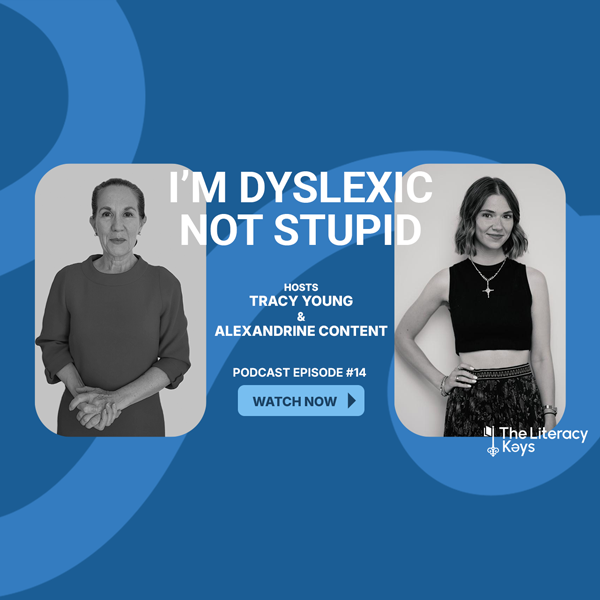
The previous definition of dyslexia was established in 2002 thanks to the collaboration of a “Who’s Who” on dyslexia. According to these researchers and specialists, that definition doesn’t fully capture the complexities that we now understand about dyslexia. The IDA recognized that the definition needed to incorporate the knowledge that’s been discovered and validated. Basically, the definition needed to evolve. The first goal was to create a definition that was more precise, and reflected the neurological underpinnings of dyslexia. The second goal was to improve consistency in how dyslexia was identified and supported across different settings from schools to clinical practices. A third objective was to reduce the confusion and stigma surrounding dyslexia. The IDA really wanted to emphasize that dyslexia is a neurobiological difference, not a lack of intelligence or effort. I’d like to spend a moment on this last point. In fact in one of my podcast episodes: “I’m dyslexic not stupid”, my daughter Alex talked about the perception that still exists that “dyslexics are stupid.” Her words not mine!
So let’s dissect the previous IDA definition of dyslexia and compare it to the new IDA definition of dyslexia. The previous definition stated: “Dyslexia is a specific learning disability that is neurobiological in origin. It is characterized by difficulties with accurate and/or fluent word recognition and by poor spelling and decoding abilities. These difficulties typically result from a deficit in the phonological component of language that is often unexpected in relation to other cognitive abilities and the provision of effective classroom instruction. Secondary consequences may include problems in reading comprehension and reduced reading experience that can impede growth of vocabulary and background knowledge.”
The new definition still emphasizes the neurobiological origin, but it focuses more on the impact and nature of the difficulties. It states: “Dyslexia is an unexpected difficulty in reading for an individual who has the intelligence to read and who comes from a conventional instructional background. It is characterized by difficulties with accurate and/or fluent word recognition and by poor spelling and decoding abilities. These difficulties typically result from a deficit in the phonological component of language that is often unexpected in relation to other cognitive abilities and the provision of effective classroom instruction. Secondary consequences may include problems in reading comprehension and reduced reading experience that can impede growth of vocabulary and background knowledge.”
The new definition starts with “an unexpected difficulty in reading for an individual who has the intelligence to read and who comes from a conventional instructional background.” This opening sentence is crucial. It immediately frames dyslexia as unexpected, given a person’s intelligence and that they received adequate teaching. This helps underscore that dyslexia is a genuine difference in how the brain processes language for reading.
The previous definition used “specific learning disability” more prominently at the beginning. Remember that Specific Learning Disability (SLD) is one of the 13 classifications of IDEA – Individuals with Disabilities Education Act. The new definition focuses on the discrepancy between ability and reading achievement by using the wording “unexpected difficulty” instead of specific learning disability. Let’s try to visualize these concepts. For the previous definition, I might picture something like a complex flowchart, showing the progression from neurobiological origin to decoding difficulties and secondary consequences. For the new definition, there’s a spotlight right at the beginning. Instead of starting with “Specific Learning Disability,” imagine a bright, almost glowing light illuminating the phrase “Unexpected Difficulty in Reading” at the very top, before diving into the neurobiological origin and specific characteristics. It puts the unexpected experience of the individual front and center.
Another important shift is the removal of the word “typically” when describing the difficulties resulting from a “deficit in the phonological component of language.” This strengthens the link between phonological processing deficits and the core reading difficulties, reflecting a stronger scientific consensus.
How will the new IDA definition of dyslexia impact the millions of parents out there who suspect their child has dyslexia; are going through the diagnostic process; already have a child diagnosed as dyslexic?
The organization believes this new definition offers several benefits to parents. First of all, it provides clearer language that better reflects their child’s experience. I’m not quite sure about “clearer language” but let’s continue. We’ve all seen that when a child is intelligent but struggles with reading, it can be incredibly frustrating and confusing. By adding the phrase “unexpected difficulty” the definition validates that experience.
Secondly, the hope is that the new definition will lead to more consistent identification. Schools and evaluators will have a clearer framework for assessment. This might mean less debate about whether a child “qualifies” for services and a quicker path to getting the support they need. I’m actually going to go out on a limb here and reserve judgement on whether schools will start identifying more students as being dyslexic. Part of my cynicism stems from understanding the constraints of the current funding system for public education. But, I’m glad the IDA added “unexpected difficulty.” We have to start somewhere.
Lastly, the new definition, reinforces the message that dyslexia is not a character flaw or a sign of laziness. Highlighting the neurobiological origin and the “unexpected” nature, will help parents advocate more effectively for their child. The new wording emphasizes that this is a genuine learning difference that requires specific, evidence-based interventions.
The new IDA definition of dyslexia is about better understanding, more consistent identification, and stronger advocacy. This begs the question: “What should parents do if they are concerned about their child’s reading, especially in light of this new definition?
The advice remains largely the same. If you suspect your child has dyslexia, observe their reading and spelling patterns. Look for difficulties with rhyming, identifying sounds in words, slow, inaccurate word reading, and struggles with reading fluency. Document your concerns, and then initiate a conversation with your child’s teacher and school. Request an evaluation for specific learning disabilities, and explicitly mention a concern about dyslexia. In fact, use the language of this new IDA definition to describe your child’s “unexpected difficulty” in reading, despite their intelligence and receiving good instruction. It’s never too early to evaluate your child. Early intervention is key. The sooner dyslexia is identified, the sooner appropriate, structured literacy instruction can be provided.