


Your quiet child doesn’t need a personality makeover. They need an adult who slows down long enough to see them. Discover how to build confidence in kids, from a teacher who was once the quiet kid nobody noticed in class.
Recently on The Literacy Keys podcast, I sat down with Bridget Gengler, an author and an educator with over thirty years of experience in the classroom. Our conversation was a beautiful reminder of what truly matters when we are guiding children who learn differently.
Bridget shared a personal story that resonated deeply with me. She grew up as a very shy and quiet child. When she became a teacher, her personal mission was to make sure that the quiet students, the ones who often feel invisible, felt seen and heard in her classroom.
For our children with dyslexia, feeling invisible or misunderstood is a daily risk. They might hide in the back of the classroom to avoid reading out loud. They might act out to distract from their academic struggles. What they really need is for the adults in their lives to see them for who they truly are. They need to know that their dyslexia is not a weakness, but simply a different way that their brain works.
Bridget builds this connection through intentional relationship building. In her classroom, she starts the day with morning meetings focused on social emotional learning. They talk about determination, courage, bravery, and gratitude. By creating a safe environment, she gives her students the permission to share their own stories. As parents, we can create this same safe harbor at home. When we truly listen to our children, even when they are struggling to articulate their frustrations, we validate their experience.
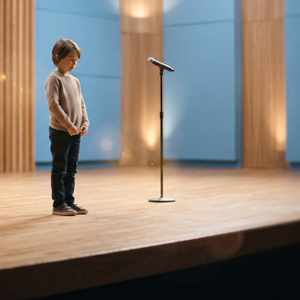
In discussing how to build confidence in kids we covered a lot of ground. One of the most profound moments in our conversation was when Bridget described a deeply shy student who was terrified of participating in a class wax museum project. This project required the students to dress up as a historical figure and give a speech to a room full of parents. For a hesitant child, this sounds like an absolute nightmare.
Instead of forcing the issue or letting him opt out entirely, Bridget took a different approach. She used baby steps. She started by finding a way to connect with him personally. Then, months in advance, she provided small, safe opportunities for him to speak in class. She practiced with him. Most importantly, she always made it clear that if he truly did not feel comfortable sharing on a given day, it was okay.
When the day of the wax museum finally arrived, that little boy dressed up and delivered his speech brilliantly. His mother was brought to tears.
Let me take a moment and bring the question how to build confidence in kids back to the kids that I help. This story is a perfect metaphor for how we need to approach reading and writing with our dyslexic children. We adults often assume a task is simple and rush the process. We overestimate how complex something might be for a child whose brain processes language differently. In thinking about how to build confidence in kids, we cannot expect them to jump straight to reading chapter books fluently. We have to give ourselves and our children enough time to take baby steps. Each small step builds the confidence needed for the next step.
During our chat about how to build confidence in kids (especially the shy ones), I asked Bridget about the changes she has seen in students and parents over her three decades in education. Her observations were incredibly insightful. She noted a significant increase in the need for social emotional learning, especially since the pandemic.
When I pressed her on why this is happening, the conversation naturally turned to a topic we all struggle with today. We discussed how modern distractions are impacting our children. Specifically, we talked about screen time. It is no secret that screen time has increased dramatically in recent years. When children are completely engulfed in a digital world, they are missing out on human connection. High amounts of screen time can sometimes replace the face-to-face interactions that teach empathy and social cues.
Furthermore, Bridget pointed out that we live in a culture of extreme busyness. We schedule our kids in four or five different activities, and when they have downtime, they often fill it with screen time. Because of this constant stimulation, children are losing the ability to use their imagination. They simply do not know how to be bored anymore. Back in the day, boredom led to creative play outdoors. Today, boredom usually leads to requests for more screen time.
When a child’s schedule is overloaded and their free moments are dominated by screen time, we miss out on true connection. For a child who is already exhausted from trying to decode words at school all day, coming home to endless activities and passive screen time does not give their brain the right kind of rest or connection they desperately need. Consider this one small step as you discover how to build confidence in kids (your kids).
How do we help our children navigate these challenges? How do we build confidence in kids and reduce the noise? Here are a few practical steps that we discussed around the question how to build confidence in kids.
Limit the digital noise. You do not have to go cold turkey, but setting boundaries around screen time is vital. Try carving out specific hours where devices are put away. Less screen time means more opportunity for genuine conversation.
Eat dinner together. Sit around the table and just talk. If getting your kids to talk is difficult, use conversation starter cards. The goal is simply to connect and let them know their voice matters.
Rethink the car ride. It is very tempting to hand over a tablet when you are sitting in traffic. However, the car is a wonderful place for conversation. Instead of defaulting to screen time, try putting on an audiobook. You can listen together for fifteen or twenty minutes, pause the audio, and ask your child questions about what is happening in the story. It is a fantastic way to build comprehension skills without the pressure of decoding text, and it replaces isolated screen time with a shared family experience.
Do not overschedule. It is perfectly acceptable to let your child take a few months off from extracurricular activities. Let them just be kids. Give them the space to unwind, play, and rely on their imagination rather than leaning on screen time for entertainment.
Read with your child, no matter their age. Many parents believe that once a child reaches third or fourth grade, they should be doing all the reading themselves. If you have a struggling reader, asking them to read independently for pleasure is often an unrealistic expectation.
Bridget shared that she read novels with her own children well into middle school. Your child needs to hear what a fluent reader sounds like. They need to hear the rhythm and expression of the language. When you read together, you bond. You can pause and discuss what the author is doing, which indirectly helps your child with their own writing skills. How’s that for magic on how to build confidence in your kids?
As I close this blog post about how to build confidence in kids remember that it’s a marathon, not a sprint. There will be hard days, but know that it is never too late for your child to become a stronger reader and to build more confidence. If you are interested in 1:1 tutoring to make your child into stronger readers? Hop over to the contact page and schedule a consultation.
If you want to hear more from Bridget Gengler, you can find her wonderful children’s books on her website or through the traditional online book retailers. Her book, You Have a Story to Tell, is a beautiful love letter to children, reminding them that their uniqueness is their superpower.
Start with connection, then break big tasks into small steps. Learn what your child loves, practice scary moments in low-stakes settings, and let them know it’s okay to say “not yet.” Confidence grows when each small win builds on the last, not when a child is pushed into the spotlight before they’re ready.
Adults often underestimate how big a task feels to a child. Rushing can turn a stretch into a setback. When you give your child time to practice and the option to wait, they’re far more likely to show up ready when the big moment comes.
While there are many things that affect a child’s confidence, screen time and busy schedules have a disproportionately negative impact. Too much screen time and a packed calendar leave less room for real conversation, and kids need to feel seen and heard. Try small swaps: talk at a meal, take a walk, or pause an audiobook in the car to ask what your child thinks.
Yes. Kids in third grade and even middle school benefit from hearing a fluent reader. Reading together gives you time to connect and talk about the story, and it can help their own writing. For a struggling reader, it builds vocabulary and comprehension without the pressure of decoding every word.
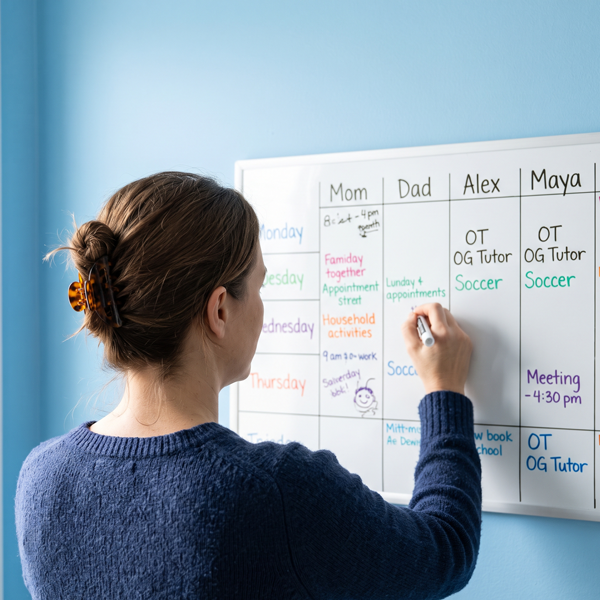
Middle school arrives like a sudden storm without any instructions or even recommendations about the right planner for teens. A few months ago, your child had one teacher, one cubby, and one primary folder. Suddenly, they are changing rooms, remembering locker combinations, discovering six or seven different teaching styles. Not

When a child refuses to do school work, you may wonder is homework bad? Understand that the refusal is almost never the problem. It’s the message. Your child is telling you something and our job is to translate it. Translation for I’m Not Doing It Instead of wondering is homework

We value common sense. There are cookies on our site and you consent to the usage.
Manage your preferences:
Essential cookies enable basic functions and are necessary for the website.
Statistics cookies collect information anonymously to understand our website.
SourceBuster is used by WooCommerce for order attribution based on user source.
For exciting reading check out our cookie and privacy policy.